
 en
en 


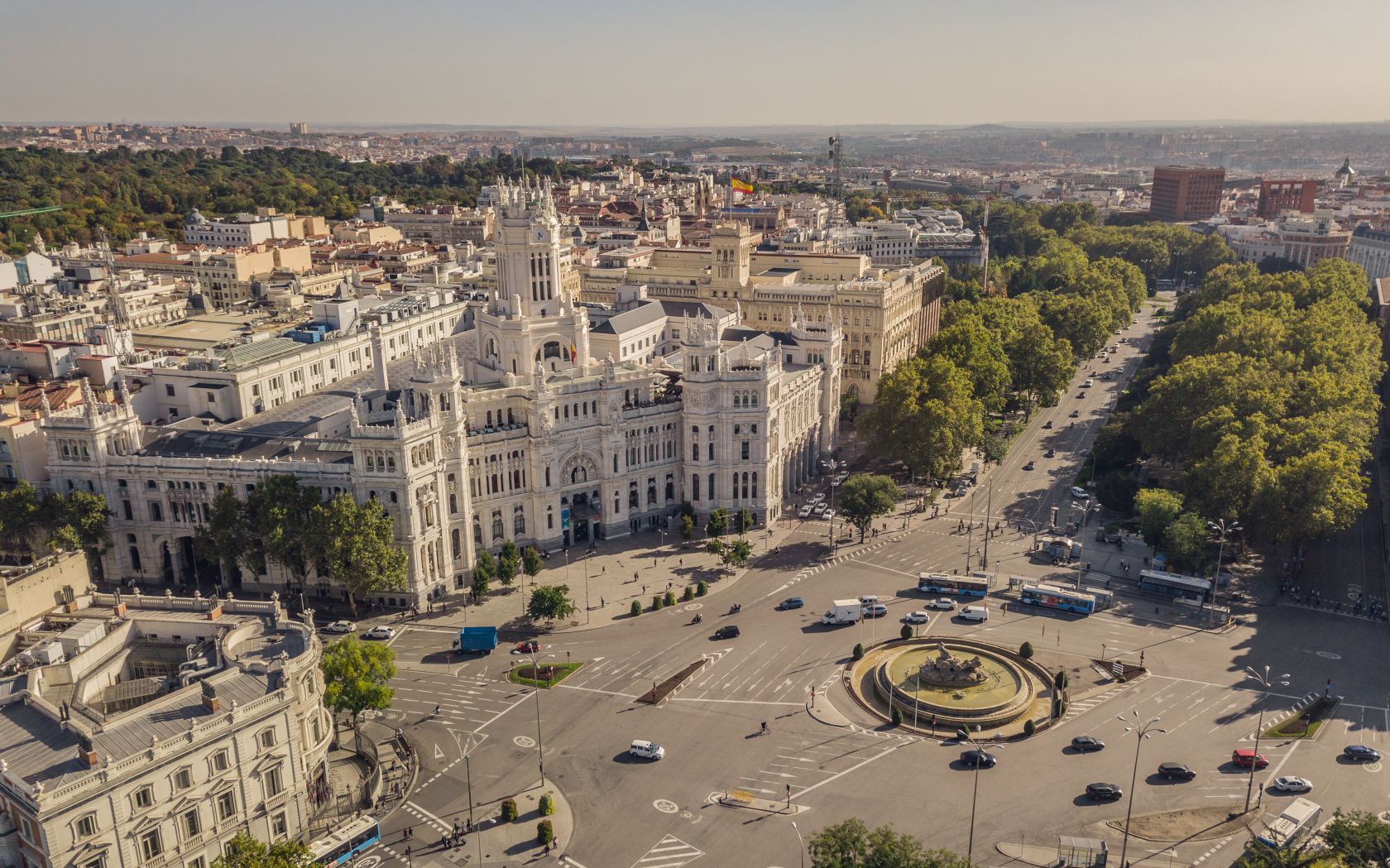
According to Hosteltur, this new plan replaces the previous one, which dates back to 2019 and emphasizes the city's historic centre, where local lodging has grown the most, reducing the housing supply.
The measure prohibits tourist lodging in residential buildings in Madrid's historic centre. However, permits are still permitted if the apartments are located in less congested areas of the city, dedicated solely to tourism, and have a maximum term of 15 years. HostelTur says this measure aims to prevent tourism from further reducing the number of available apartments for residential use.
According to Madrid City Hall data, of the 17,360 local accommodation units in the Spanish capital, 92.7% are apartments, although only 7.45% have municipal permits for this purpose.

Madrid's new Residential Plan also aims to increase the number of available housing in the Spanish capital and, therefore, includes incentives for the conversion of office buildings into residential properties.


 English
 Español
 Nederlands
 Deutsch
 Français
 Italiano
 Svenska
 Português